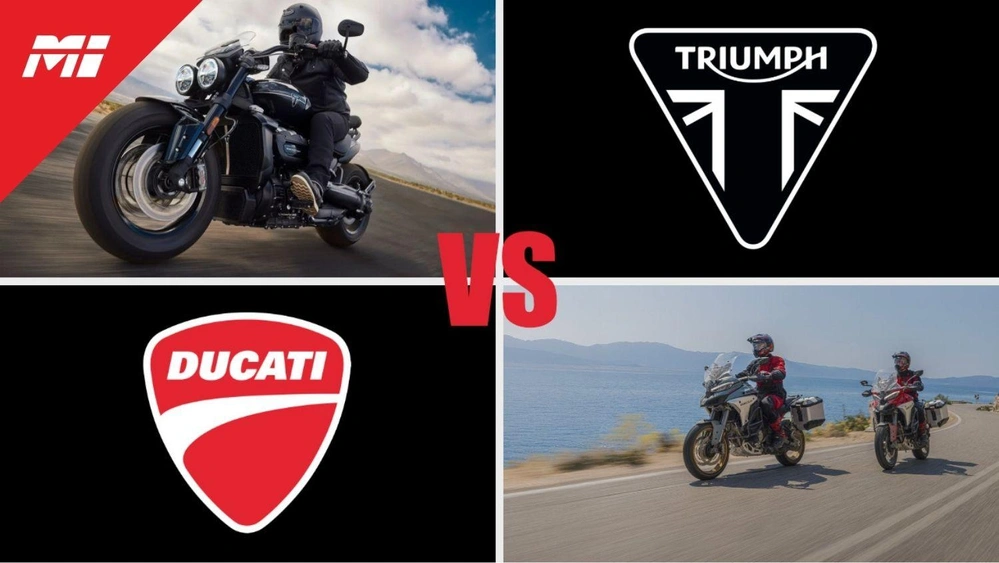
Triumph vs. Ducati: the differences between the 2 brands

Summary
- Summary
- Triumph or Ducati: which brand should you choose?
- Triumph and Ducati: two different histories and philosophies
- What are the main differences between Triumph and Ducati?
- Triumph or Ducati engines: what are the differences?
- Which brand delivers the sportiest ride?
- Which brand is best for travelling?
- Triumph or Ducati for a first motorcycle?
Summary
Summary: In a Triumph vs. Ducati comparison, Triumph focuses on versatility, supple three-cylinder engines and a neo-retro style (Bonneville, Tiger, Speed Triple), while Ducati prioritizes performance, V-twin and V4 engines and cutting-edge technology (Monster, Panigale, Multistrada). In 2026, entry pricing starts at $6,195 for Triumph (Speed 400) versus $11,995 with Ducati (Scrambler Icon Dark). For starting out or riding daily, choose Triumph; for the most dynamic ride and advanced electronics, choose Ducati.
Triumph or Ducati: which brand should you choose?
Triumph or Ducati? The answer depends on your style.
Choose Triumph for a versatile, distinctive motorcycle that is generally easier to live with day to day, from commuting downtown to getaways in the Eastern Townships.
Choose Ducati for a sportier ride, higher performance and more advanced on-board technology inherited from MotoGP.
In both cases, the best pick depends more on the exact model and your use than on the brand alone: a Tiger 1200 and a Speed Triple have little in common, just like a Panigale and a Multistrada.
Triumph and Ducati: two different histories and philosophies
In fact, choosing between Ducati or Triumph means comparing Birmingham and Bologna: two industrial traditions that produce motorcycles with opposite temperaments.
Triumph, British flair
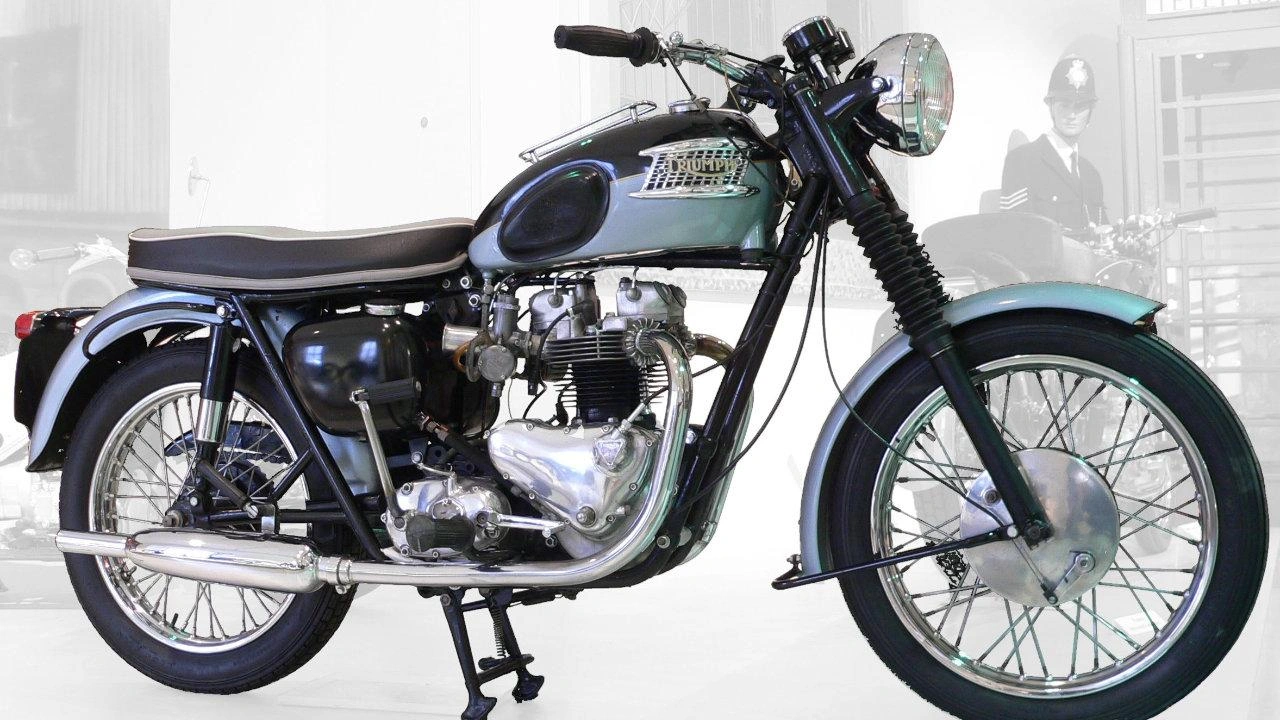
Founded in 1902, Triumph built its reputation on motorcycles that can be ridden every day, from the 1959 Bonneville to today's Modern Classics. Its mechanical signature: three-cylinder engines that deliver torque early and progressively, well before the red line.
Ducati, Italian performance and design
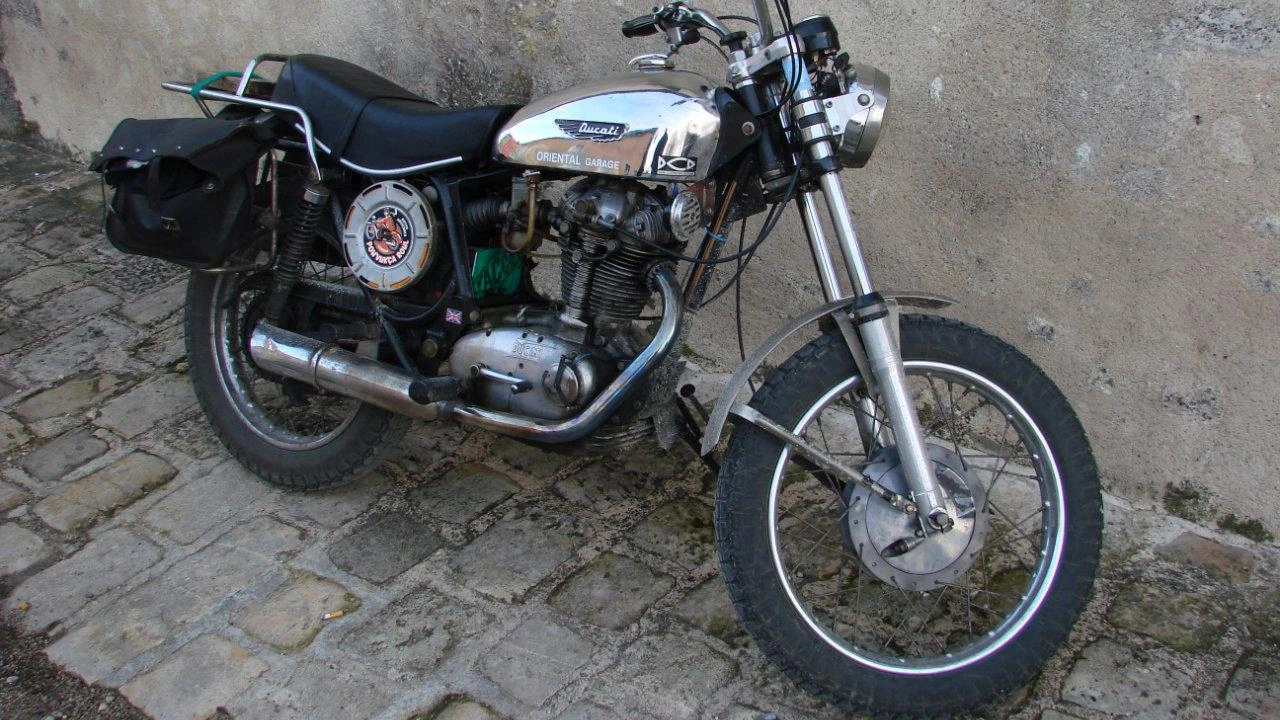
Ducati, born in Bologna in 1926, cultivates a sporty identity shaped by competition, from MotoGP to Superbike with the Panigale V4 R. Italian design and performance technologies (aerodynamic spoilers, 6-axis inertial unit) flow through the whole lineup.
What are the main differences between Triumph and Ducati?
The table below sums up the Triumph and Ducati comparison criterion by criterion, before getting into engine and lineup details.
| Criterion | Triumph | Ducati |
|---|---|---|
| Origin | British | Italian |
| Dominant character | Versatile and accessible | Sporty and demonstrative |
| Signature engines | Twins and three-cylinders | V‑twin and V4 engines |
| Style | Retro, adventure and sporty | Sporty, aggressive and Italian |
| Riding experience | Smooth and balanced | Precise and dynamic |
| Signature models | Bonneville, Tiger, Speed Triple | Monster, Panigale, Multistrada |
| Target profile | Road, daily, travel and classic style | Performance, sensations and technology |
Triumph or Ducati engines: what are the differences?
In a Triumph vs. Ducati comparison, the difference between Triumph and Ducati that you will feel the most comes down to engine architecture, which defines each brand's character.
Triumph twin and triple engines
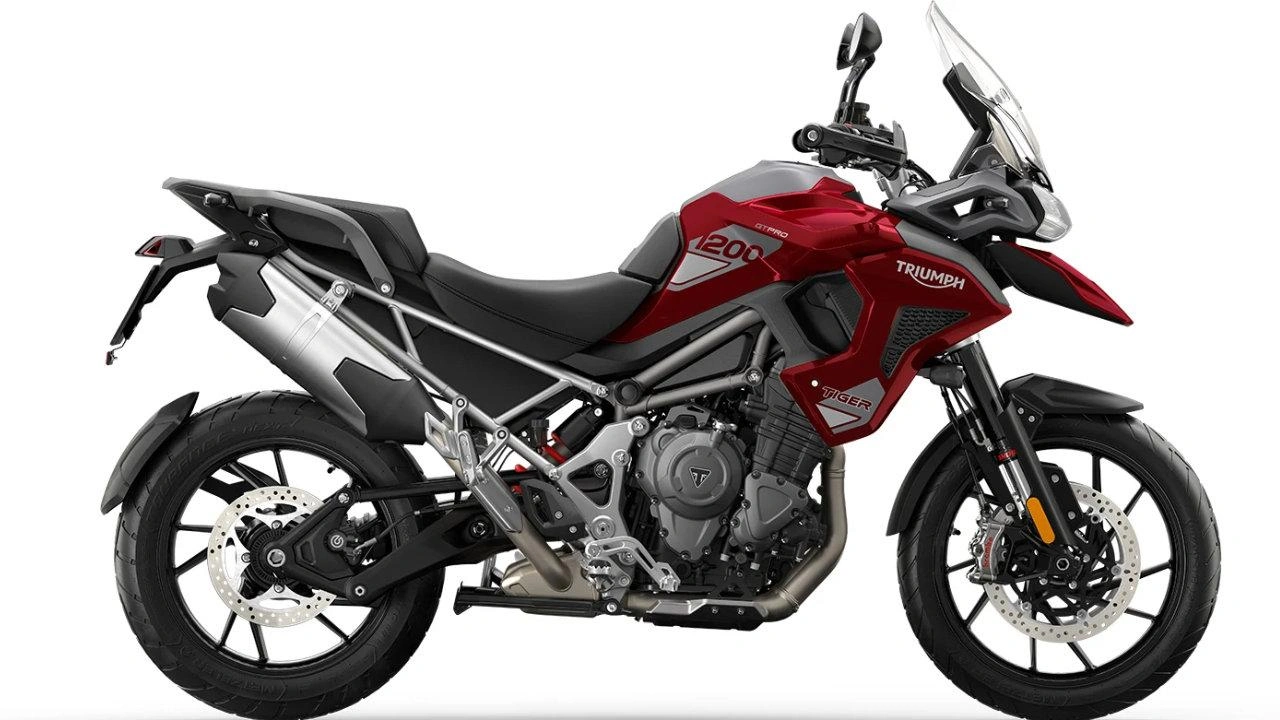
Triumph's three-cylinder stands out for its flexibility: torque from 3,000 rpm without the dip typical of four-cylinders. You'll find it from the Trident's 660 cc to the Tiger 1200's 1,160 cc T-Plane, as well as the 765 cc that has powered the entire Moto2 grid since 2019. The Tiger family combines this engine with a travel and adventure focus, with shaft drive on the 1200s.
Ducati V‑twin and V4 engines
At Ducati, the new 890 cc V‑twin (the lightest twin ever produced in Borgo Panigale, 120 lb.) now powers the Monster, Panigale V2, Streetfighter V2 and Multistrada V2. At the top, the Multistrada's V4 Granturismo was engineered to combine four-cylinder performance and extended service intervals, with valve checks at 60,000 km.
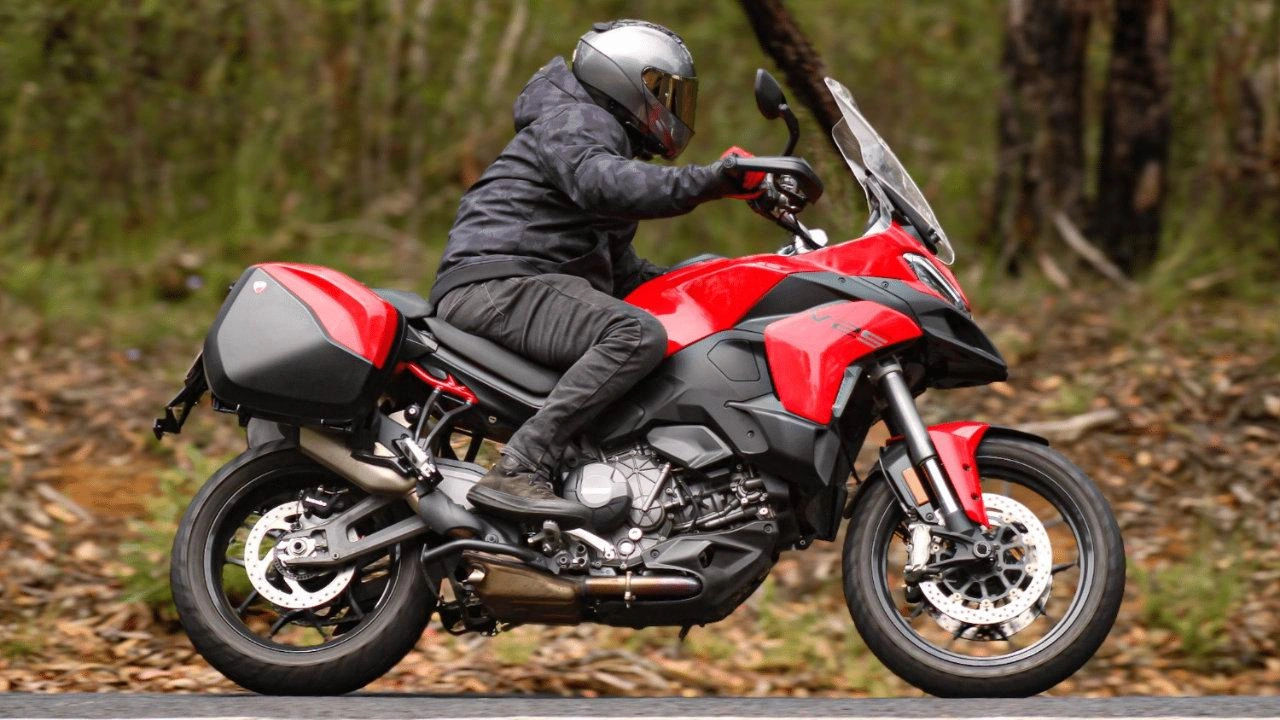
Which brand offers the best engine?
Triumph wins for flexibility, everyday bikes and versatility; Ducati leads for acceleration, sportiness and high-rpm sensations. One figure illustrates the philosophical gap: the Street Triple 765 RS tops out at 130 hp, while the Streetfighter V4 boasts 205 hp.
Which brand delivers the sportiest ride?
Ducati generally leads for precision, outright performance and sport-focused electronics: the Panigale V4 S carries electronically controlled suspension and track-calibrated aids. Triumph also offers very quick models, headed by the Speed Triple 1200 RS at $22,895, yet it keeps a more versatile approach that is easier to exploit on the road. In short: on Highway 138 on a September morning, you will feel less tired on a Speed Triple.
Which brand is best for travelling?
The Triumph or Ducati comparison plays out between two well-established families, with detailed pricing listed in our guides on the price of a Triumph motorcycle in 2026 and the price of a Ducati motorcycle in 2026.
Triumph Tiger for touring and adventure
The Tiger 900 (from $17,495) and Tiger 1200 focus on comfort, long distances and versatility, with fuel tanks up to 30 litres. The Tiger 1200 lineup includes the GT Pro, GT Explorer, Rally Pro and Rally Explorer trims, from $25,595 to $29,595.
Ducati Multistrada for sport touring
The Multistrada V2 and V4 are touring motorcycles that are sportier and more technological, with rider radar and Skyhook semi-active suspension depending on the trim. The V4 family offers touring, adventure or performance trims: Rally (30 litres), Pikes Peak (17-inch wheels) and RS (engine derived from the Panigale).
Triumph Tiger or Ducati Multistrada?
The Tiger for a more accessible, balanced experience with an entry cost roughly $5,000 lower for comparable equipment; the Multistrada for a sportier ride and more advanced technology, with radar and 170 hp available.
Triumph or Ducati for a first motorcycle?
To start out, Triumph offers the Speed 400 ($6,195), Scrambler 400 X ($7,320) and Trident 660 ($11,145); Ducati answers with the Scrambler (from $11,995) and the Monster (from $15,195). Above all, remember that power, weight, seat height and torque delivery matter more than displacement alone: a well-managed 890 cc Monster with electronic aids can be more docile than an old 600 sport bike without ABS. Our guide to the different types of motorcycle helps you frame this first decision.
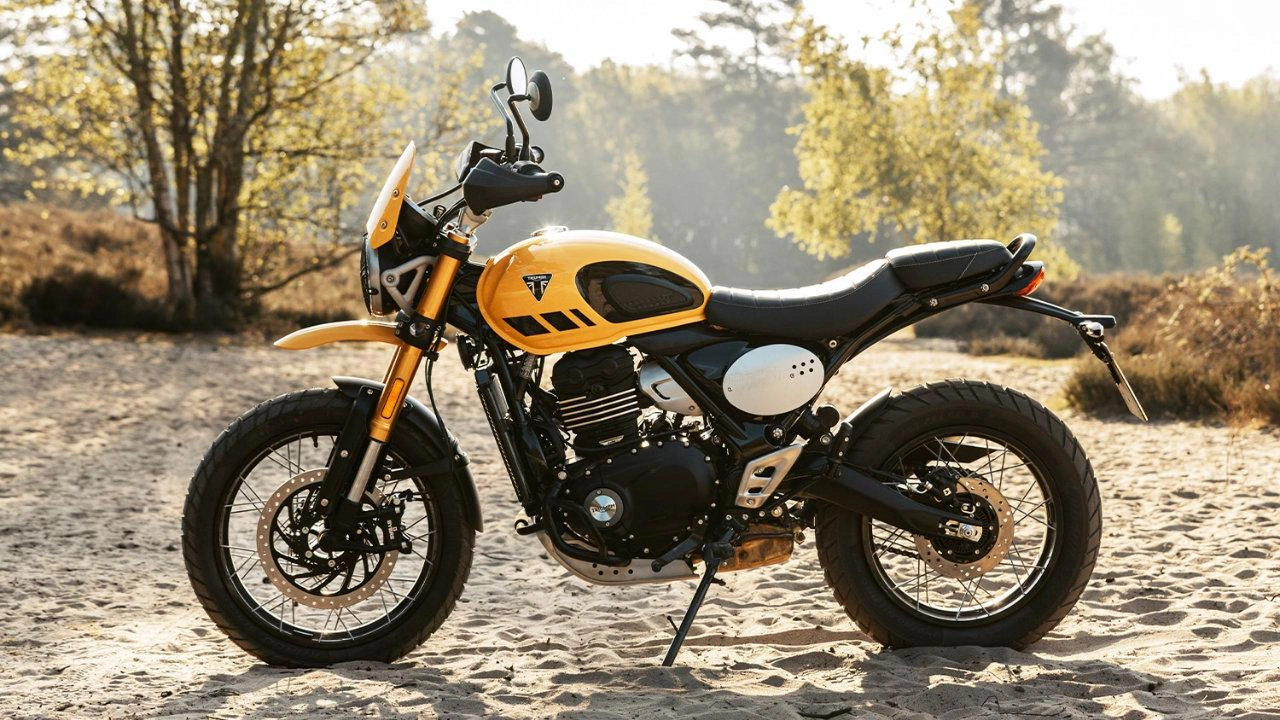
What are the equivalent lineups at Triumph and Ducati?
To know which brand to choose between Triumph and Ducati, the simplest way is to compare the lineups that correspond directly. The table below sums up the Triumph or Ducati trade-offs by segment.
| Use | Triumph models | Ducati models |
|---|---|---|
| roadster | Trident, Street Triple, Speed Triple | Monster, Streetfighter |
| Adventure | Tiger 900, Tiger 1200 | DesertX, Multistrada |
| Sport touring | Tiger Sport | Multistrada |
| Sport bike | Daytona | Panigale, SuperSport |
| Retro motorcycle | Bonneville, Speed Twin, Scrambler | Scrambler Ducati |
| Cruiser | Rocket 3, Speedmaster, Bobber | Diavel, XDiavel |
Current Ducati lineups include the DesertX, Diavel, XDiavel, Monster, Hypermotard, Panigale, Multistrada, Streetfighter and Scrambler families, recently joined by the Desmo450 motocross bikes.
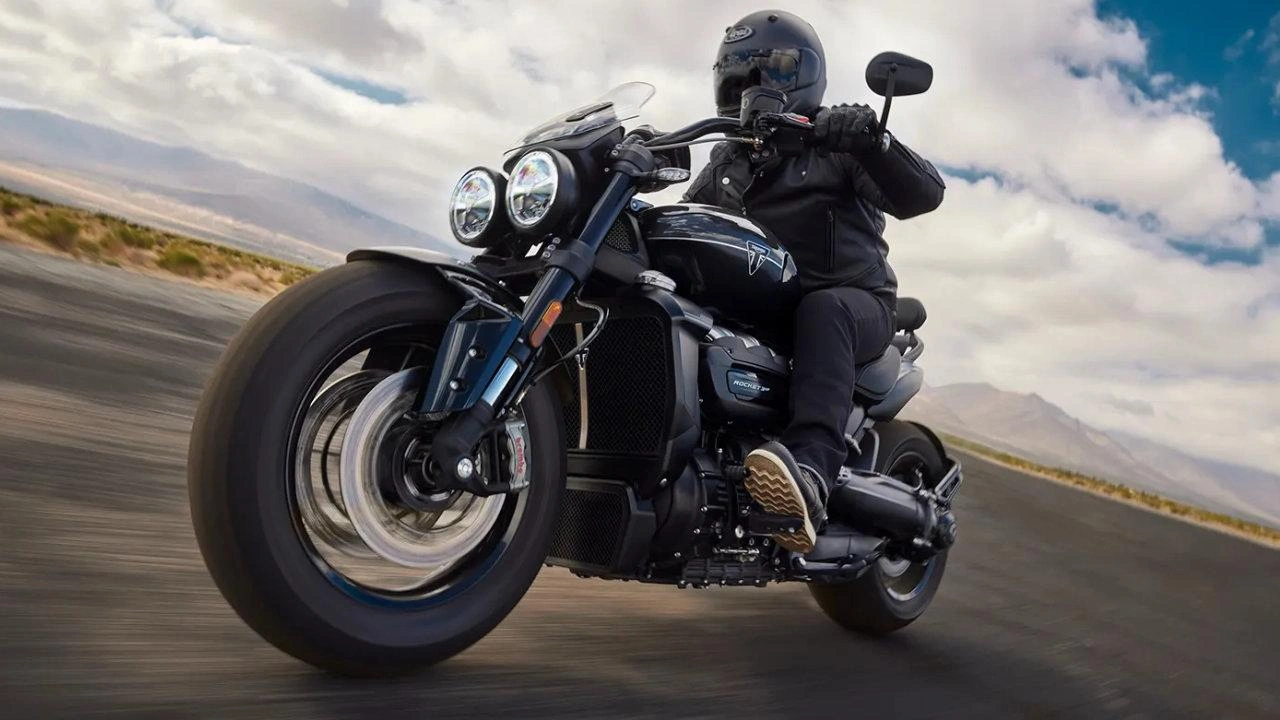
Triumph or Ducati: what price difference?
The gap is clear at the entry point: $6,195 for a Triumph Speed 400 versus $11,995 for the most affordable Ducati Scrambler, almost double. At the top, the trend reverses in intensity: the Rocket 3 Storm GT peaks at $30,795 at Triumph, while the Panigale V4 R reaches $59,995 at Ducati, not counting limited editions costing more than $88,000. Ducati also adds $995 in freight to its advertised prices.
Which brand requires the most maintenance?
Historically Ducati, but the gap is narrowing. Oil-change intervals reach 15,000 km on the Panigale V2 and valve checks are pushed to 45,000 km, even 60,000 km on the V4 Granturismo. Triumph keeps a slight cost edge with services every 16,000 km on most models and a maintenance-free shaft on the Tiger 1200, which eliminates chain replacement (about $400 to $600 every 30,000 km).
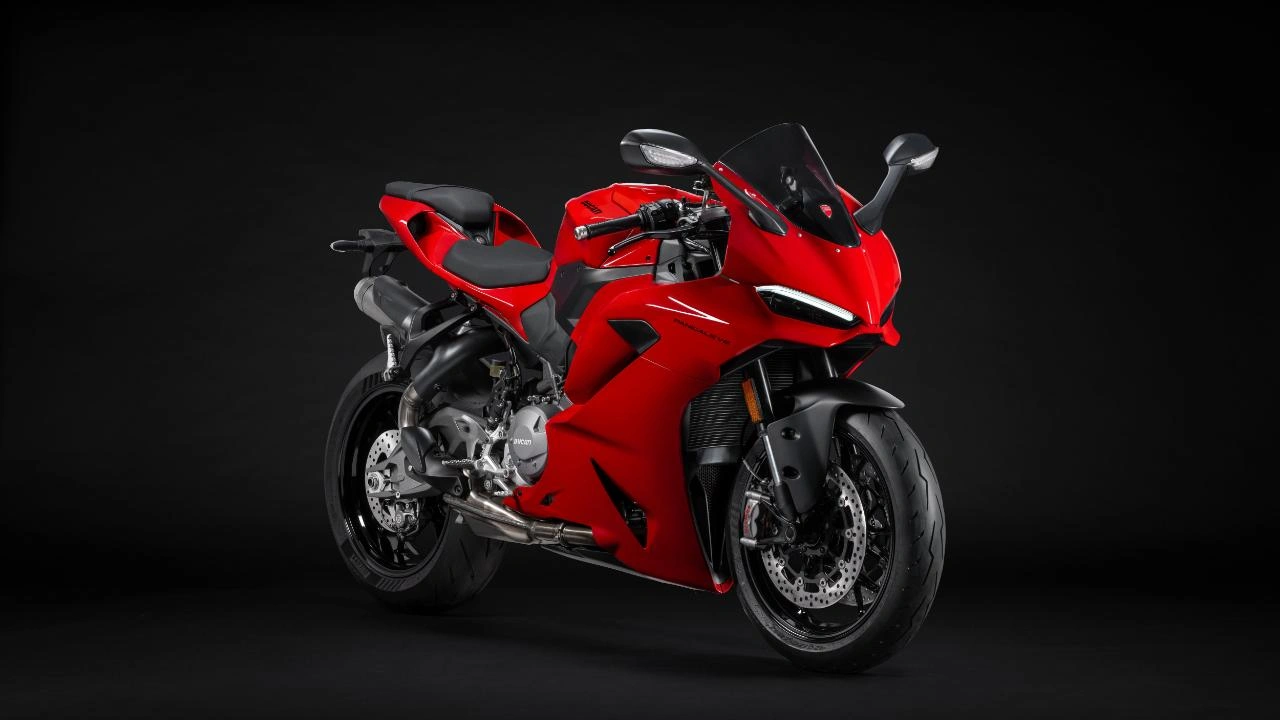
Triumph vs. Ducati: our verdict based on your needs
Here is our final decision grid to settle the Triumph vs. Ducati debate, or Ducati or Triumph depending on your starting point, across eight concrete uses.
| Your need | Our recommendation |
|---|---|
| To start out | Triumph |
| For daily riding | Triumph |
| For sporty performance | Ducati |
| For retro style | Triumph |
| For a sporty adventure motorcycle | Ducati |
| For comfortable touring | Tie, depending on the level of sportiness you're after |
| For advanced technologies | Ducati |
| For a balanced and versatile experience | Triumph |
Discover our Triumph and Ducati motorcycles at Motos Illimitées Montréal
Few places in Québec let you test a Tiger and a Multistrada within an hour: Motos Illimitées Montréal, in Anjou, brings both brands under one roof with the province's largest inventory.
*These are the prices available on the manufacturer's website at the time of research. They are subject to change without notice.
FAQ
What is the main difference between Triumph and Ducati?
Character: Triumph builds versatile motorcycles around supple three-cylinders, Ducati sports bikes are built around high-performing V‑twins and V4s. This is reflected even in entry prices, $6,195 versus $11,995.
Triumph or Ducati: which brand is more reliable?
Both brands offer a 2‑year unlimited‑kilometre warranty and comparable service intervals (16,000 km at Triumph, up to 15,000 km at Ducati). Perceived reliability depends mostly on the rigour of maintenance performed at a certified dealer.
Which brand is best for a first motorcycle?
Triumph, thanks to the Speed 400 and Scrambler 400 X under $7,500, roughly half the price of the first comparable Ducati.
Triumph Tiger or Ducati Multistrada: which one should you choose?
In this Ducati or Triumph touring matchup, Tiger for comfort, shaft drive and budget; Multistrada for power (up to 170 hp) and radar-based electronics. Try both before deciding.
Which brand costs less to maintain, Triumph or Ducati?
Triumph on average, thanks to less expensive wear parts and the Tiger 1200's shaft. The typical annual gap ranges between $100 and $300, depending on the model and mileage.